
Dental Sealants Vs. Fillings: Are They The Same?

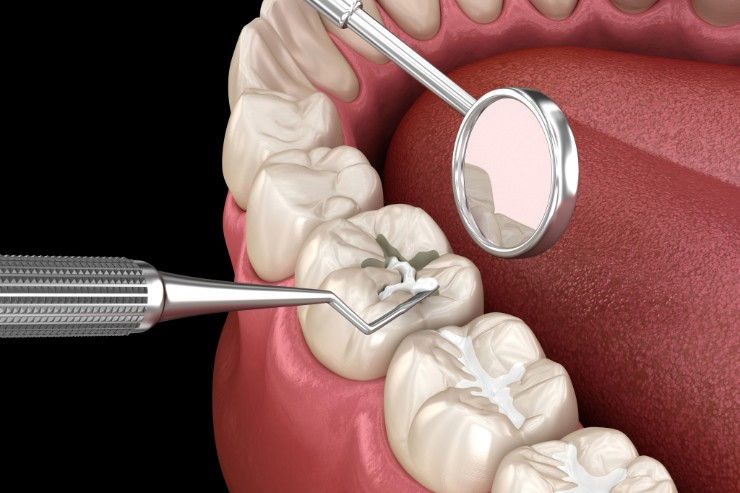
Many people ask the question: dental sealants vs. fillings? Are they really different, or just two versions of the same thing? At first glance, both involve applying material to teeth.
However, their function, timing, and purpose in your dental care journey are completely distinct. If you’ve ever wondered how these treatments work and which might be right for you or your child, we’re here to walk you through it all.
The Purpose of Each Treatment
The biggest difference between the two lies in the timing. Dental sealants are preventive; fillings are corrective.
We use sealants to help protect teeth that are healthy but at risk of developing cavities. Fillings, on the other hand, are used when decay has already begun and needs to be addressed.
Sealants are typically applied to molars, where deep grooves make it easier for food and bacteria to accumulate. These grooves are hard to clean, even with excellent brushing.
A sealant acts like a smooth cover over that area. It helps reduce the chance that bacteria will settle in those crevices and cause a cavity to form.
How Dental Fillings Work
If tooth decay has already occurred, sealants will no longer be appropriate. Instead, we must remove the damaged part of the tooth and place a filling. Fillings are designed to restore the shape, strength, and function of your natural tooth.
After gently cleaning out the cavity, we layer in tooth-colored material and shape it so that your bite feels normal again. You’ll leave your appointment able to chew comfortably, with your tooth protected from further damage.
Patients often wonder, "Are dental sealants the same as fillings?" This is a fair question, especially since both may appear visually similar at first.
The answer is no. Their goals and application methods are different, as are the materials we use and the condition of the tooth being treated.
The Process: What to Expect During Treatment
When applying a dental sealant, we begin with a dental cleaning to make sure there is no debris or plaque on the surface. After drying the tooth, we apply a gentle etching gel that prepares the enamel.
The sealant material is then painted onto the tooth’s surface and cured with a special light. This process takes just a few minutes per tooth and requires no numbing or drilling.
A filling, in contrast, takes more time. After numbing the area, we remove the decay, clean out the cavity, and carefully place filling material in layers. Each layer is shaped and hardened before the next is applied.
Once done, the filling blends in with your tooth and allows you to chew normally again.
Can You Use Dental Sealants Over Fillings?
Another question we hear: Can you use dental sealants over fillings? In almost all cases, the answer is no.
Once a tooth has been filled, there is no need for a sealant. Fillings already act as a barrier against bacteria.
Sealants are meant for teeth that are structurally intact but vulnerable to decay. Applying sealant material over a filling doesn’t add extra benefit and isn’t considered standard practice.
Who Should Get Dental Sealants?
Children are the most common candidates for sealants. We often recommend them shortly after the first and second molars erupt. The goal is to protect these newly emerged teeth before any decay starts.
Adults with deep molar grooves and no previous decay may also enjoy sealant benefits. During a checkup, we’ll evaluate your teeth and let you know if sealants make sense for your situation.
Sealants are especially helpful for patients who are still developing good habits regarding brushing and general teeth hygiene. They offer an added level of protection during those years when oral hygiene may be inconsistent.
That said, even people with excellent hygiene can benefit. Sometimes, tooth anatomy alone makes certain areas more prone to decay.
Cosmetic Considerations and Oral Health
Some patients who are already checking out options like dental whitening ask about sealants and fillings as part of a bigger cosmetic plan. It’s important to remember that sealants are clear or tooth-colored and barely noticeable. They don’t change the appearance of the tooth in any way.
Fillings can be matched to your natural tooth color for a more aesthetic outcome. Still, their primary purpose is functional: to repair, not to beautify.
If you're receiving cosmetic treatments, we always take your full oral health into account. We can discuss the timing of treatments such as whitening or veneers to make sure they line up well with any restorative or preventive care.
How Long Do Sealants and Fillings Last?
Sealants generally last for several years but may need touch-ups. Chewing forces, diet, and oral habits can wear them down over time. During your regular dental visits, we check them for signs of wear or loss and reapply if needed.
Fillings are more durable but are still subject to aging. Over time, they may chip or wear down, especially if you're prone to grinding or chewing hard foods. Maintaining good oral hygiene and visiting us regularly helps extend the life of both treatments.
Dental Sealants Vs. Fillings: Choosing the Right Path
The choice between sealants and fillings depends entirely on the condition of your teeth. One is proactive, the other reactive. We always prefer to act before decay begins, which is why sealants are such an effective tool.
Once decay has occurred, however, a filling is the appropriate treatment. One cannot replace the other, and they are not interchangeable.
Partnering With Brookhaven Dental Associates for Preventive and Restorative Care
At Brookhaven Dental Associates, we’re committed to helping you stay ahead of dental issues by catching problems early and offering treatments tailored to your needs. Our approach to dental sealants vs. fillings is never one-size-fits-all.
Instead, we work with you to evaluate the condition of each tooth, considering your oral hygiene, lifestyle, and long-term goals. If a sealant can help protect your tooth, we’ll explain every step and apply it with precision and care.
If a filling is needed, we’ll restore your smile using techniques that prioritize comfort, durability, and aesthetics.
We take pride in guiding you through all the details, from consultation to final results. Whether it’s your child’s first molar or your own dental repair, we treat each patient with the same care and focus.
You can count on us to explain your options clearly, use the best materials available, and give you results that feel natural and last as long as possible.
If you have any questions about Brookhaven Dental Associates, feel free to reach out to us today.


Comments